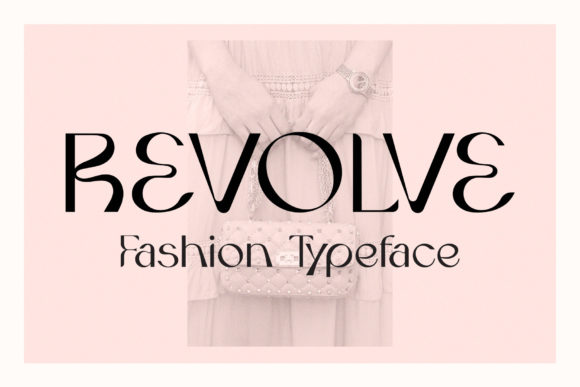
Elevating Visual Identity with the Revolve Display Typeface
In an era where digital attention spans are measured in milliseconds, the typography chosen for a brand or editorial piece acts as the first point of contact. It is not merely about readability; it is about setting a tone, establishing authority, and evoking an emotional response before a single word of body copy is read. Among the myriad of typefaces available to designers today, Revolve has emerged as a distinctive choice for those seeking to blend high-fashion aesthetics with functional design principles. This display font, inspired by the dynamic layouts of fashion magazines, offers a unique combination of thick-thin strokes that create a sense of movement and elegance.
The versatility of Revolve extends far beyond simple headlines. Its structural integrity allows it to function effectively across a wide spectrum of media, from social media graphics to packaging design. For professionals ranging from business owners looking to rebrand their startups to educators creating engaging course materials, understanding the specific characteristics and applications of such a typeface is crucial for achieving a polished, professional look. This article explores the multifaceted nature of Revolve, examining how its unique stroke contrast influences perception and why it remains a powerful tool in the modern designer's toolkit.
The Anatomy of Elegance: Understanding Stroke Contrast
The defining characteristic of Revolve lies in its dramatic variation between thick and thin strokes. In typography, this feature is often referred to as "contrast." While many modern sans-serif fonts prioritize uniformity to ensure maximum legibility on small screens, Revolve embraces the traditional elegance associated with serif and transitional typefaces. The thick downstrokes provide a solid foundation, giving the letters weight and presence, while the thin upstrokes add a delicate, airy quality that prevents the text from feeling heavy or blocky.
This high-contrast approach is reminiscent of the lettering found in luxury editorial spreads. When used correctly, these variations guide the viewer's eye through the text, creating a rhythm that mimics the flow of a runway show or the turn of a page in a glossy magazine. The thick lines anchor the design, ensuring that the headline commands attention even from a distance, while the thin lines invite closer inspection, rewarding the reader with intricate details upon engagement.
For creators working on mood boards or conceptual designs, this interplay of weight adds a layer of sophistication that flat, monoline fonts often lack. It suggests a level of care and precision in the design process. However, this stylistic choice requires a thoughtful approach to implementation. The thin elements can become fragile if the resolution is too low or if the background color creates insufficient contrast. Therefore, understanding the anatomy of Revolve is the first step in leveraging its full potential without compromising visual clarity.
Applications in Editorial and Print Media
The roots of Revolve are deeply embedded in the world of print, specifically within the realm of fashion and lifestyle journalism. In editorial design, space is often at a premium, and every element must work harder to convey meaning. Revolve excels in this environment because its bold presence allows designers to use smaller point sizes for headlines without losing impact. This efficiency is vital when designing magazine covers or interior spread titles where multiple headlines compete for dominance.
When applied to packaging, the font's elegant curves and sharp angles communicate a sense of premium quality. Imagine a cosmetic product or a boutique perfume bottle; the typography on the label sets immediate expectations about the contents inside. Revolve’s association with fashion magazines naturally lends itself to products that wish to position themselves within the luxury or high-end market segment. The font does not shout; it whispers confidence, suggesting that the brand understands the nuances of style and design.
Furthermore, in long-form articles or brochures, using Revolve for pull quotes or section headers can break up dense blocks of text. It acts as a visual pause, allowing the reader to breathe and refocus. The transition from the neutral body text to the stylized Revolve header creates a dynamic reading experience, making the content feel more curated and less like a wall of information.
Digital Adaptation: From Screens to Social Platforms
While Revolve was born from the tradition of print, its application has successfully migrated to the digital landscape. In the context of social media advertising and content creation, the competition for user attention is fierce. A static image or a short video clip must convey its message instantly. Here, the high contrast of Revolve becomes a strategic asset. On platforms like Instagram or Pinterest, where visuals are paramount, a headline set in Revolve stands out against cluttered feeds due to its distinct silhouette and artistic flair.
For social media managers and content creators, the challenge often lies in maintaining brand consistency across various formats. Revolve offers a solution by providing a versatile identity that works equally well on a large banner ad and a small mobile story overlay. The font's ability to scale is impressive; it retains its character whether it is rendered as a massive billboard headline or a subtle caption tag. This scalability ensures that the brand voice remains consistent regardless of the medium.
However, digital adaptation requires technical consideration. Unlike print, where ink density is controlled by the press, digital displays vary widely in pixel density and brightness. Designers must be mindful of the rendering engine they are using. In some cases, the thinnest strokes of Revolve may disappear on low-resolution screens or when viewed on older devices. To mitigate this, it is advisable to pair Revolve with a highly legible sans-serif font for any secondary text or body copy that needs to be readable at small sizes. This pairing strategy ensures that the aesthetic appeal of Revolve is preserved while maintaining accessibility for all users.
Branding and Identity Systems
Building a cohesive brand identity involves more than just selecting a logo; it requires a comprehensive system that can adapt to diverse touchpoints. Revolve serves as an excellent primary typeface for branding initiatives that aim to project sophistication and creativity. Whether for a startup in the beauty industry, a creative agency, or a high-end retail chain, Revolve provides the visual vocabulary needed to tell a compelling story.
When developing a brand guideline, incorporating Revolve allows for a hierarchy of information that feels organic rather than forced. The natural emphasis created by the thick strokes helps establish a clear order of importance within marketing materials. Business owners can utilize this to highlight key value propositions or calls to action without relying solely on color or icons. The font itself becomes a part of the brand's visual language, reinforcing the message through its form.
Moreover, Revolve's flexibility supports the evolution of a brand over time. As companies grow and their markets shift, a rigid typeface might feel outdated. Revolve, with its timeless inspiration from classic fashion editorial, possesses a longevity that transcends fleeting trends. It allows brands to maintain a sense of heritage while appearing contemporary and relevant. This balance is essential for businesses looking to build long-term loyalty among consumers who value authenticity and quality.
Strategic Implementation for Diverse Audiences
The utility of Revolve extends to a broad audience, including educators, researchers, and hobbyists who may not typically consider typography as a core component of their work. For educators, using Revolve in presentation slides or educational handouts can elevate the perceived value of the material. It signals that the content is carefully crafted and worthy of attention, which can increase student engagement and retention.
Researchers and data analysts often struggle with presenting complex information in an accessible way. By using Revolve for section titles and data visualization labels, they can make their findings appear more authoritative and visually appealing. The font's clean lines and structured forms help organize information logically, guiding the audience through the narrative of the research without overwhelming them with visual noise.
Hobbyists and DIY enthusiasts also find value in Revolve for personal projects. Whether designing invitations for a special event, creating custom packaging for handmade goods, or producing content for a personal blog, the font offers a professional finish that elevates amateur work. The availability of Revolve in various weights and styles means that hobbyists can experiment with different combinations to find the perfect fit for their specific vision, fostering creativity and self-expression.
Considerations for Accessibility and Legibility
While Revolve is undeniably beautiful, its high-contrast nature presents specific challenges regarding accessibility. Screen readers rely on clear distinctions between characters, and extremely thin strokes can sometimes be difficult for assistive technologies to interpret correctly. Additionally, for individuals with visual impairments, the fine details of the font may reduce legibility, particularly in low-light conditions.
To address these concerns, designers should adopt a balanced approach. Using Revolve for display purposes—such as titles, headings, and short captions—is generally safe and effective. However, for longer passages of text, it is prudent to switch to a more neutral, high-legibility typeface. This hybrid approach ensures that the design remains aesthetically pleasing while adhering to web accessibility standards (WCAG). By prioritizing the needs of all users, designers can create inclusive experiences that do not compromise on style.
Furthermore, testing the typeface across different devices and operating systems is a critical step in the implementation process. What looks perfect on a high-resolution monitor might appear broken or blurry on a standard laptop screen. Conducting thorough usability tests helps identify potential issues early, allowing for adjustments in size, weight, or color contrast to ensure optimal performance.
The Future of Typography in Creative Workflows
As the design industry continues to evolve, the role of display fonts like Revolve is becoming increasingly significant. With the rise of AI-generated imagery and automated design tools, there is a growing demand for human-curated elements that add a touch of personality and craftsmanship. Revolve represents this intersection of technology and artistry, offering a tool that enhances the capabilities of both novice and expert designers.
The integration of Revolve into modern workflows demonstrates a shift towards more expressive and emotionally resonant design. Brands are moving away from generic, one-size-fits-all solutions in favor of custom typographic identities that reflect their unique values. Revolve provides the flexibility needed to achieve this customization, allowing for a wide range of interpretations while maintaining a cohesive visual language.
Looking ahead, we can expect to see Revolve play a central role in emerging design trends, particularly in the realms of sustainable fashion and ethical branding. Its connection to traditional print culture aligns well with the growing consumer interest in quality and longevity over fast consumption. By choosing a typeface that embodies these values, brands can communicate their commitment to excellence and sustainability in a subtle yet powerful way.
In conclusion, Revolve is more than just a font; it is a statement. It bridges the gap between the past and the future, combining the elegance of classic fashion magazines with the demands of modern digital communication. For professionals, creators, and enthusiasts alike, understanding how to harness the power of Revolve opens up new possibilities for visual storytelling. Whether used for a bold headline, a sophisticated logo, or a detailed mood board, Revolve brings a level of refinement that transforms ordinary designs into extraordinary experiences.