Evaluating Hero Great for Creative Typography Projects
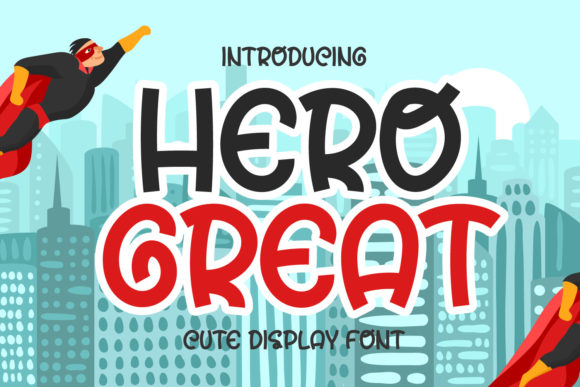
When selecting a typeface for a specific design project, the choice often dictates the emotional tone and readability of the final output. Hero Great is a display font characterized by its playful, simple, and cute aesthetic. It is designed to stand out in visual hierarchies where a standard sans-serif or serif might feel too rigid. This article provides an objective evaluation of the font, exploring its characteristics, ideal use cases, potential limitations, and how it compares to other options in the market.
Understanding the Design Characteristics
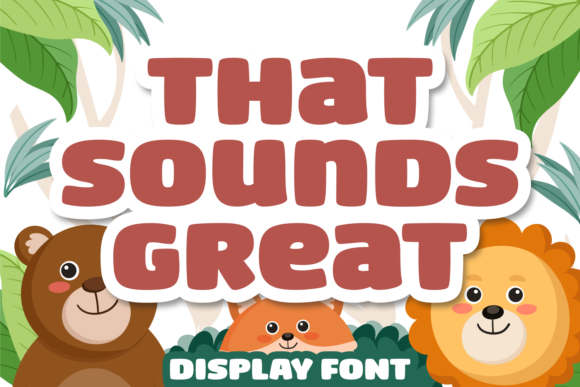
At its core, Hero Great is a decorative display typeface. Unlike text fonts designed for long-form reading, display fonts are intended for headlines, logos, and short phrases where impact is prioritized over legibility at small sizes. The "cute" descriptor associated with this font refers to its rounded terminals, generous x-height, and soft edges. These geometric modifications give the letters a friendly, approachable appearance that lacks the sharpness found in many modernist typefaces.
The simplicity of the letterforms is a defining feature. There are no complex serifs or intricate swashes. Instead, the design relies on the basic shapes of the alphabet, slightly distorted to create a whimsical effect. This makes the font highly versatile within its niche, as the lack of ornate details allows it to remain legible even when scaled down or used in busy graphic compositions.
Ideal Applications and Use Cases
Designers typically evaluate Hero Great based on the specific context of their project. Because of its distinct personality, it is not a universal solution but excels in targeted scenarios. Understanding these environments helps determine if the font aligns with your goals.
- Children's Media: The most common application for this font is in content targeting young audiences. Whether designing book covers, educational materials, or packaging for toys, the friendly nature of the characters resonates well with children and parents alike.
- Cartoon and Comic Art: In animation or comic book design, character names and speech bubbles often require a font that mimics hand-drawn energy. Hero Great fits seamlessly into these contexts without appearing overly professional or corporate.
- Game Interfaces: For casual mobile games or browser-based games, particularly those with a lighthearted theme, this font serves as an excellent UI element for titles, scoreboards, and menu headers.
- Event Branding: Parties, birthday celebrations, and community events often benefit from a typography style that feels inviting and festive. The font adds a touch of celebration to invitations and banners.
Benefits of Choosing Hero Great
Selecting a specialized font like Hero Great offers several practical advantages for designers who need to convey a specific mood quickly.
First, the font acts as an immediate visual cue. A viewer does not need to read the content to understand the tone; the shape of the letters communicates "fun" and "approachable" before a single word is processed. This efficiency is valuable in marketing materials where attention spans are short.
Second, the simplicity of the design ensures scalability. Because the letterforms are not overly detailed, they tend to hold up well when resized for different media, from large outdoor billboards to small mobile app icons. This reduces the need for creating multiple custom versions of the logo or header.
Finally, the font provides a unique identity. Using a standard system font can make a project look generic. Hero Great offers a distinct voice that helps brands differentiate themselves in crowded markets, particularly in the entertainment and education sectors.
Tradeoffs and Limitations
While the font has clear strengths, there are significant tradeoffs that must be considered during the selection process. No typeface is suitable for every situation, and Hero Great is no exception.
The primary limitation is readability. Due to its decorative nature, this font is unsuitable for body text. Attempting to set paragraphs of copy in Hero Great will result in poor user experience and fatigue. Readers expect body text to be neutral and unobtrusive, which contradicts the loud personality of this display font.
Another consideration is brand perception. If a company aims to project authority, seriousness, or luxury, this font may undermine those goals. The "cute" aesthetic can inadvertently signal immaturity or lack of professionalism in industries such as finance, law, or healthcare. Designers must weigh the desire for friendliness against the need for credibility.
Additionally, availability of language support varies among display fonts. While Hero Great likely supports standard Latin characters, it may lack extended character sets required for multilingual projects. Users should verify the specific glyph list before committing to a project that requires non-English languages.
Situations Where Alternatives Are Preferable
In some scenarios, other typefaces may serve the purpose better than Hero Great. If the goal is a modern, clean look rather than a whimsical one, a geometric sans-serif would be a more appropriate choice. Similarly, if the project requires a hand-drawn feel that appears more organic and less uniform, a brush script or irregular handwritten font might offer the desired authenticity.
For projects requiring high legibility across various screen sizes and resolutions, a variable font with robust optical sizing capabilities could provide a safer bet. Furthermore, if the budget allows for custom lettering, commissioning a bespoke typeface ensures that the typography matches the brand identity exactly, avoiding the generic feel that sometimes accompanies pre-made display fonts.
Practical Decision-Making Insights
To determine if Hero Great is the right tool for your project, consider the following decision framework:
- Define the Tone: Does your project require a serious, neutral, or playful tone? If playful, proceed to the next step.
- Analyze the Audience: Is the target demographic children, families, or a general audience seeking entertainment? If yes, the font is a strong candidate.
- Check Usage Context: Will the font be used for headlines only, or will it appear in dense blocks of text? If it is strictly for headlines, the risk of readability issues is minimized.
- Test Legibility: Create mockups using actual content. View them at 100% zoom and also at thumbnail size. Does the font retain its character without becoming illegible?
If the answers to these questions point toward a fun, accessible, and visually distinct style, Hero Great is likely a solid choice. However, if the project demands versatility, neutrality, or strict adherence to formal design principles, exploring alternative typefaces is advisable.
Conclusion
Hero Great stands out as a specialized tool in the typographer's arsenal. Its strength lies in its ability to inject personality and warmth into designs intended for entertainment, education, and leisure. By understanding its limitations regarding readability and brand tone, designers can utilize this font effectively to enhance their creative vision. When the goal is to create a lovely, engaging visual experience, this font offers a reliable and aesthetically pleasing solution.