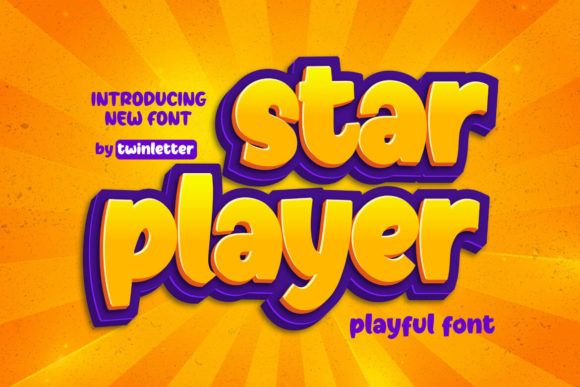
Star Player: The Playful Display Font for Creative Projects
In a digital landscape saturated with sterile sans-serifs and overly formal serifs, finding a typeface that commands attention while radiating joy can feel like searching for a needle in a haystack. This is where Star Player steps in as a refreshing alternative. It is not merely a font; it is a visual personality designed to bring energy, whimsy, and a touch of nostalgia to your work. Whether you are crafting assets for children's games, designing promotional materials for a local event, or simply looking to inject a "lovely touch" into a corporate blog post, this playful display font offers a versatile toolkit for creators who want their audience to smile.
The design language of Star Player is rooted in the concept of fun without sacrificing readability. Unlike many novelty fonts that become illegible at small sizes or lack character consistency, Star Player maintains a structured backbone while allowing its curves and angles to dance. It captures the spirit of mid-century cartoons and modern indie games, making it an excellent choice for projects that need to feel approachable and human-centric. For designers and marketers, the ability to convey warmth and excitement instantly is a powerful asset, and this font delivers exactly that.
Unlocking Creative Possibilities Across Industries
The versatility of a great display font lies in its ability to adapt to various contexts. While Star Player is undeniably strong in the realm of entertainment, its utility extends far beyond just coloring books and toy packaging. Let's explore how different professionals can leverage this typeface to achieve specific goals.
- Gamers and App Developers: If you are building a mobile game, especially one with platformer elements or puzzle mechanics, Star Player serves as a perfect header font. Its rounded edges mimic the friendly aesthetic of characters often found in casual gaming. Using it for level titles, scoreboards, or character names can significantly enhance the user experience by making the interface feel less rigid and more inviting.
- Educators and Content Creators: Teachers and educational bloggers know that engagement is key to learning. When creating worksheets, presentation slides, or YouTube thumbnails for kids' content, Star Player breaks down the barrier between authority and playfulness. It signals to young learners that the material is safe, fun, and worth exploring. Even for adult education, using it sparingly for key takeaways can make complex topics feel less intimidating.
- Small Business Owners: Entrepreneurs in the food, craft, or hobby sectors often struggle to balance professionalism with brand personality. A bakery owner might use Star Player for daily specials on chalkboard signs or social media stories. A boutique clothing store could use it for sale announcements. The font's inherent cheerfulness helps build an emotional connection with customers, suggesting that the business cares about their happiness.
Strategic Applications for Digital and Print Media
Moving beyond general categories, the specific application of Star Player requires a thoughtful approach to hierarchy and contrast. Because it is a display font, it should generally be used for headlines, logos, and short phrases rather than body text. However, the way you pair it with other typefaces determines the success of the design.
For cartoon-related designs, pairing Star Player with a clean, geometric sans-serif creates a dynamic contrast. Imagine a poster for a children's theater production: the title in Star Player draws the eye with its whimsical flair, while the date and location in a neutral sans-serif provide the necessary clarity. This combination ensures that the design remains organized and easy to scan, preventing the "chaos" that can sometimes occur when too many decorative fonts are mixed.
In the world of children's games and interactive apps, color plays a massive role alongside typography. Star Player shines when paired with vibrant, saturated colors. Think of bright yellows, electric blues, and soft pinks. The font's thick strokes hold up well against bold backgrounds, ensuring legibility even when the design gets busy. For app developers, this means users won't have to squint to read instructions, which reduces friction and improves retention rates.
For bloggers and publishers, the challenge is often standing out in a crowded feed. Using Star Player for featured post headers or pull quotes can break the monotony of standard web layouts. It acts as a visual anchor, guiding the reader's eye through the content. Just remember to keep the usage intentional; overusing a playful font can dilute its impact. Reserve it for moments where you want to emphasize emotion or highlight a special feature.
Practical Tips for Maintaining Clarity and Consistency
While the creative possibilities are endless, there are practical rules to follow to ensure your designs remain effective. The goal is to use Star Player to enhance communication, not obscure it. One common mistake is stretching or distorting the letters to fit awkward spaces. Always maintain the original proportions of the font to preserve its unique character. Distortion can make the letters look amateurish and ruin the carefully crafted curves that define its style.
Another crucial aspect is spacing. Display fonts often require generous kerning (letter spacing) to breathe properly. When setting large headlines, consider adding extra space between characters to let the shapes of the letters stand out. This technique adds a premium feel to the design and prevents the text from looking cramped. Conversely, if you are using the font for smaller labels or tags, you may need to tighten the tracking slightly, but always test for readability on actual devices before finalizing.
Consistency is the backbone of professional branding. If you decide to use Star Player as your primary headline font, create a style guide that defines its usage. Specify the sizes, colors, and pairing fonts that work best. This ensures that whether you are designing a flyer, a website banner, or a product label, the voice of your project remains cohesive. For freelancers and designers, having a clear set of guidelines makes client presentations smoother and reduces the back-and-forth revisions regarding typography choices.
When adapting Star Player for different platforms, consider the medium. On high-resolution screens, the fine details of the font will shine. However, for print materials or low-resolution displays, ensure the stroke weight is sufficient to prevent blurring. If you are printing on textured paper, the ink spread might soften the edges, so you might want to adjust the size or choose a bolder variant if available. Always proofread your work in context to catch any potential issues before they go live.
Embracing Originality in a Generic World
In an era where templates dominate the design industry, choosing a distinctive font like Star Player is a statement of originality. It signals that you care about the details and that you are willing to take a calculated risk to make your project memorable. Whether you are a hobbyist creating a scrapbook layout or a marketer launching a new campaign, the right typography can be the difference between a forgettable image and a viral sensation.
Use this font to tell a story. Let the playful nature of the letters reflect the narrative of your project. If you are promoting a summer festival, the font can evoke the feeling of sunshine and laughter. If you are designing a logo for a pet supply store, it can convey loyalty and affection. The key is to align the visual tone of the font with the emotional core of your message.
Ultimately, Star Player is more than just a collection of glyphs; it is a tool for expression. By understanding its strengths and applying it with intention, you can create designs that resonate deeply with your audience. So, open your design software, select your favorite color palette, and let the stars align. With Star Player, the only limit is your imagination.